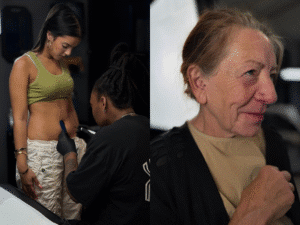

Listen – tattoos hurt. Anyone who tells you otherwise either has a suspiciously high pain threshold or is lying to look well hard. But the truth is, how much it hurts is a lot within your control. The difference between a session you breeze through and a session that has you reconsidering your life choices comes down to preparation, mindset, choosing an Outliers Ink tattoo artist of course, and a few things most people get completely wrong. In this guide, we capture what can help you reduce Tattoo Pain: What Actually Works (And What Doesn’t).
Know What You’re Getting Into: Placement
Not all tattoo pain is equal. The outer arm? Manageable. The ribs? Well…that’s a bit different. Tattoo Pain intensity peaks anywhere the skin is thin, the bone is close, or nerve endings are plenty. Think inner elbow, spine, hands, feet, and the sternum.
If it’s your first tattoo, starting on a meaty, low-sensitivity area is a smart choice. Check what our clients said about the most and least painful place to get a tattoo.
How to Reduce Tattoo Pain Before You Walk Through The Door.
If you thought I was gonna say to slap a load of numbing cream all over yourself. WRONG.
Most people do nothing to prepare and then wonder why it was tough. Don’t be that person.
Eat.
A proper meal one to two hours before your appointment keeps your blood sugar stable. Low blood sugar makes tattoo pain feel worse and increases the chance you’ll feel like shit.
Hydrate.
Well-hydrated skin is easier to work with. The needle moves through it more cleanly, which means less trauma, less swelling, and a smoother session overall. Drink loads of water, at least the day before and the morning of. Not just a quick gulp before you leave the house.
Sleep.
Being knackered hammers your pain tolerance. A tired body is a sensitive one. Get some proper sleep the night before and you’ll feel the difference in the chair.
Moisturise.
If you don’t already, then do so at least in the days leading up to your tattoo appointment. Dry, dehydrated skin is harder to tattoo and takes longer, this means more time under the needle. Keep the area hydrated in the days before. Do yourself an extra favour and purchase Outliers Ink tattoo butter on the way out the door.
Alcohol.
A couple of drinks to calm the nerves feels like a no brainer. But…….alcohol thins your blood, which can cause excess bleeding during the tattoo session. It can also ramp up sensitivity rather than dull it. Give it a miss at least 24 hours before your tattoo appointment.
Check our blog on what to wear during your tattoo session.
Can You Take Painkillers Before a Tattoo?
Yes and no, getting this wrong matters.
Ibuprofen before a tattoo is a bad idea. Full stop. It ’s a blood thinner. So taking it before your session can increase bleeding, affects how the ink sits in the skin, and makes your artist’s job significantly harder. The same for aspirin and naproxen. Avoid all NSAIDs for at least 24 hours before your tattoo appointment.
Paracetamol is a safer bet. It won’t give you a pain-free tattoo experience, but for some, it can help take the edge off. If you’re sensitive to pain, paracetamol is your best over the counter option.
How about Numbing cream before a tattoo?
Topical lidocaine-based creams — available without a prescription can genuinely reduce surface sensitivity, and lessen tattoo pain. Especially for more sensitive tattoo placements like the ribs and feet. Tell your tattoo artist before your session that you’d like to use one. Read the instructions, normally they’ll say something like apply under cling film up to 90 minutes before the session. They’re not magic, but they can make a real difference. That being said, personally I dislike them, they work for a very brief period for me and then it’s like the tattoo pain hit me all at once. I don’t bother now. Now I just booked in with Sheine. It is universally agreed that she is the most gentle tattoo artist you will find. – Read the reviews for yourself. Sheine will also try and dissuade you from using it, it changes the texture of the skin, making it harder to tattoo and she’s seen the difference in healing. It wasn’t good.
How to Make Tattoos Less Painful During the Session
You’re in the chair. The needle is running, it’s crunch time. Here’s how to lessen tattoo pain in real time.
Breathe through it. When it hurts, the instinct is to tense up and hold your breath. Do the opposite. Long, slow exhales activate your nervous system’s calm response and physically reduce pain sensitivity. It sounds too simple to work but it does. Trust me, I do Muay Thai and my coaches say the same. Breath work is so important, sounds hippy I know.
Stop watching the needle. Staring at what’s causing the pain makes it feel worse. Put headphones in and zone out. Distraction is one of the most effective pain management tools available. Relax your muscles. Most people don’t realise how tense they’ve become until they consciously check. Tensed muscles hurt more than relaxed ones under the needle.
Bring snacks for longer tattoo sessions. If you’re going multiple hours, your blood sugar will drop mid session and so will your pain tolerance. A banana, some sweets, a sugary drink all help.
Talk to your tattoo artist. Take a break when you need to. Stretch and breathe. A decent artist would rather stop for a sec than have you flinch at the wrong moment and ruin the line work.
Managing Post-Tattoo Soreness: How to lesson tattoo pain
A fresh tattoo is an open wound. It’s going to be sore, tender and red for a few days that’s normal. To reduce tattoo pain after the session, follow your Outliers Ink aftercare to the letter. And purchase our tattoo butter, it has been specially formulated to help with the after care process. Let’s not take short cuts now.
There’s no way to prevent tattoo pain entirely, and honestly, trying to pretend otherwise is a waste of your time. What you can do is show up prepared, make smart choices especially around the tattoo studio you choose and handle the session with a bit of composure. Pain is temporary. The tattoo isn’t.